
Cover Site Prep & Utilities: The Los Angeles Owner’s Guide
Site prep and utility installation for a Cover home in Los Angeles typically runs $18,000 to $45,000, with most full-scope projects landing between $22,000 and $32,000 depending on lot conditions, utility distances, and the specific Cover model you’re placing. We stock the site-side components most likely to fail or need upgrading after initial installation, including utility stubs, trench conduit, water-line connections, and panel tie-ins, and we can usually have a technician out within a few days for diagnosis. Most owners discover they need this work when something quietly stops working: a pressure drop in the water line, a tripped breaker that won’t reset, or a sewer stub that never quite drained right after the unit was set.
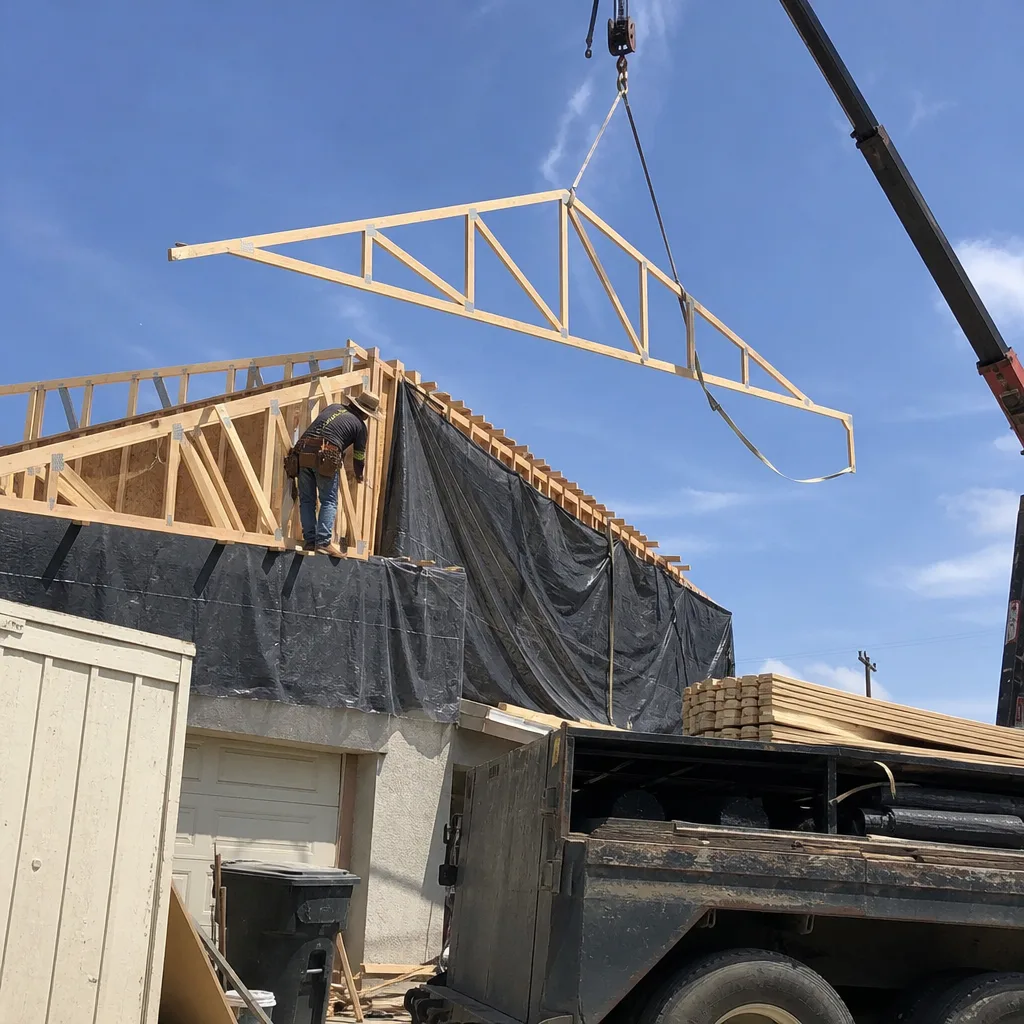
What makes Cover-specific site prep different is that the units arrive as precision-built shells, which means the site work underneath them has to be nearly perfect before the module ever lands on the pad. A Cover home is a factory-built ADU (accessory dwelling unit, or a second living space added to your existing property) that sits on a foundation system with utility connections running underneath or alongside it. If those connections were rushed, or if the original installer used undersized conduit or cheap compression fittings, you’ll feel it within the first year, which is when most of our callbacks in Los Angeles start coming in.
Which Cover Models This Applies To
Cover builds several ADU models, but the site prep and utility requirements are broadly similar across the line: every unit needs a level pad or foundation system, a water supply line sized to the unit’s fixture count, a sanitary sewer connection with proper fall, and an electrical service sized for the panel load. The main compatibility gotcha we see is with the electrical side: Cover units often ship with 100-amp panels, but some Los Angeles lots with older 60-amp or 100-amp main services need a service upgrade first, and that changes the site-prep scope considerably. If you’re not sure what size panel your unit has, check the placard inside the panel door, or look at the original utility plan set that came with your Cover paperwork.
For the physical connections, Cover uses standard residential plumbing and electrical materials, so quality aftermarket components (copper or PEX-A water lines, Schedule 40 or 80 PVC conduit, brass compression fittings) are every bit as good as what the factory specifies. We stock OEM-equivalent components on the truck, and we’re an independent Los Angeles service provider, not affiliated with Cover, which means we quote the repair or upgrade based on what actually failed, not on what the factory parts list says you have to buy. We also work with Abodu and Dvele owners, so we’re familiar with how prefab manufacturers differ in their site-side requirements.
Signs Your Cover Site Prep & Utilities Is Failing
- Water pressure drops when two fixtures run at once. This usually means the supply line was undersized for the unit’s fixture count, or there’s a kink or partial blockage at the stub-out. In Los Angeles, we also see this when corroded galvanized pipe was left in place between the main and the unit instead of being replaced.
- Breakers trip when the HVAC or range kicks on. The panel feed may be undersized, or the connection at the main panel is loose. Loose lugs heat up under load and trip breakers intermittently, which is a fire risk you don’t want to ignore.
- Water pools near the unit after rain. This points to grading or drainage problems around the pad, not inside the utility connections themselves, but it’s a site-prep failure that will eventually damage the stubs and erode the foundation system. Los Angeles rain comes in bursts, and a pad that drains poorly during a January storm is telling you something.
- Sewer smells inside the unit, especially when appliances run. A dry trap is one thing, but persistent odor points to a venting issue or a sewer line without proper fall. If the line sags, waste sits, and the smell works its way back inside.
- Water meter spins slowly with everything off. That’s a leak somewhere between the meter and the unit, often at an underground compression fitting that was overtightened or installed in rocky soil without proper bedding. Los Angeles soil in many hillside areas is full of decomposed granite, which shifts and stresses buried connections.
Replacement Cost & What’s Included
For a partial site-prep repair in Los Angeles, plan on $1,200 to $4,500 for a single-utility fix, such as replacing a section of water line, repairing a collapsed sewer lateral stub, or redoing an electrical connection at the main panel. A full re-prep, where multiple utilities need to be redone or upgraded, runs $8,000 to $20,000 depending on trenching distance, soil conditions, and whether a main-panel service upgrade is required. The biggest variables are how far your utilities run from the street or main house, and whether we’re trenching through grass, concrete, tree roots, or rocky hillside.
Every quote is a written line-item price before any work starts, and it stays that price. What’s included: parts, labor, trenching and backfill, reconnection, testing (pressure test on water, continuity check on electrical, flow test on sewer), and haul-away of whatever we removed. The work carries a written guarantee, and if something fails within the 365-day period, we come back and make it right at no charge. That’s the Kingswell Guarantee, and for us it starts with telling you the real number up front.
DIY or Call Us?
You can safely check a few things yourself: read your water meter before and after shutting off the unit’s main valve, which tells you if the leak is upstream or downstream. Visually inspect exposed connections at the pad: look for green corrosion on copper, white crust on brass, or cracked conduit. You can also run two kitchen and bath fixtures at once to feel the pressure drop, which gives us useful information before we arrive.
What you shouldn’t do is dig, open a panel, or disconnect a water or sewer line. Buried utility work in Los Angeles requires knowing where existing service lines run (we call DigAlert before any excavation, every time), and an open electrical panel with loose lugs is a shock and fire hazard: a trained professional should handle anything inside that box. If you’re not sure whether what you’re seeing is serious, call us at (254) 602-5618 and describe it. We’ll tell you straight whether this needs a service visit or can wait.
FAQs
Properly installed water, sewer, and electrical site connections should last 20 to 40 years in Los Angeles, with the main failure points being buried fittings, old galvanized pipe, and loose panel connections. Poor initial installation can shorten that to under five years, which is why we test every connection before we backfill a trench.
Yes, in most cases a single failed section can be cut out and replaced with new material, provided the surrounding pipe or conduit is still sound. If the whole run was undersized or installed incorrectly from day one, a full replacement is often cheaper in the long run than chasing repeated repairs. Call (254) 602-5618 and we’ll give you an honest assessment.
Most single-utility repairs take one day of work, plus whatever time DigAlert and any necessary Los Angeles permits require. A full re-prep with multiple utilities typically runs three to five working days, including inspection, testing, and backfill. We’ll give you a written window before work starts and hold to it.
We keep the common replacement components on our trucks: PEX-A and copper water line, Schedule 40 and 80 conduit, brass compression fittings, panel lugs and breakers, and sewer couplings. If your unit needs a Cover-specific connector, we can usually source it within a few days through our supplier network. Russ Delmar and the team would rather tell you the part is a day out than sell you a workaround that fails next season.
If your Cover unit is showing any of the signs above, or if you just bought a property with a Cover home and want the site work inspected before problems start, call us at (254) 602-5618 to schedule a free estimate. Tell us what you need the space to do, and we’ll tell you honestly whether we can build it and what it’s going to cost. A live person answers, day or night.
Written by Russ Delmar, Owner, Lodgewick ADU Builders at Lodgewick ADU Builders, serving Los Angeles and nearby areas.