
Boxabl Site Prep & Utilities: The Los Angeles Owner’s Guide
We stock and install Boxabl-compatible site prep and utility components throughout Los Angeles, with most utility hookup packages running between $12,000 and $28,000 installed, depending on your lot’s distance from existing connections and soil conditions. If you’re reading this, you’ve probably discovered that your Boxabl didn’t arrive turnkey-ready, or a utility connection installed during delivery is now failing. Most owners find us the same way: they open a utility bill that’s doubled, smell gas near the panel, or watch water pool around the foundation pad after the first real rain.
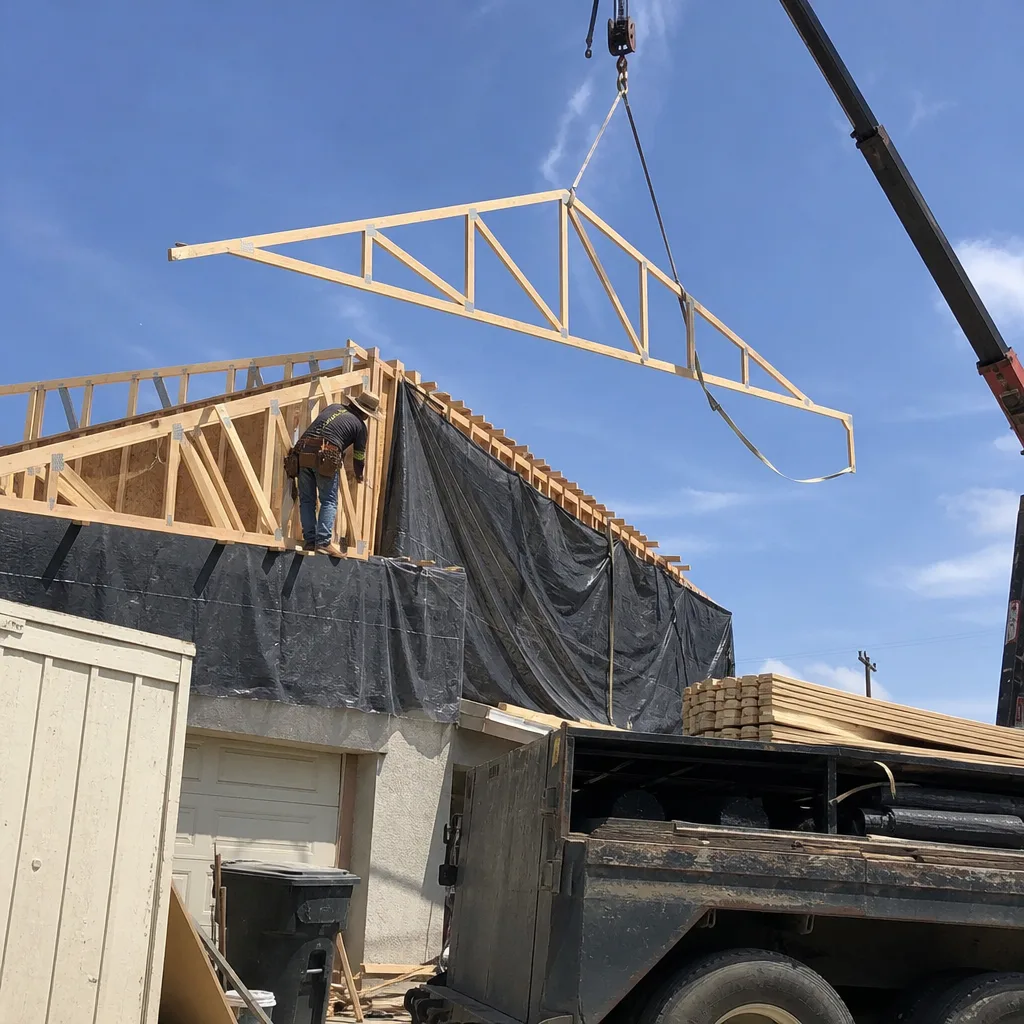
Here’s the honest truth about Boxabl’s site work: the house itself is factory-built, but everything below and around it, the pad, the trenching, the sewer lateral, the electrical feed, is done by local contractors after delivery. That’s where the variance lives, and that’s where Los Angeles soil, seismic codes, and utility district rules make or break the project.
Which Boxabl Models This Applies To
The Casita, Boxabl’s flagship 20×20 model, and the newer multi-module configurations all share the same site prep DNA: a compact footprint, a single utility core, and factory-installed rough-ins that terminate at the module’s exterior wall. The compatibility gotcha most owners don’t discover until inspection day is that Boxabl’s factory rough-ins are sized for standard residential connections, but the module’s low profile means the sewer lateral often needs a backwater valve and a specific fall ratio that Los Angeles Department of Building and Safety will flag if it’s off by even a quarter inch per foot.
For OEM versus aftermarket parts, Boxabl doesn’t manufacture its own utility components. The factory installs standard residential fittings: PEX water lines, Schedule 40 PVC drains, and a 200-amp-rated electrical panel. That means quality aftermarket equivalents from suppliers like Uponor, Charlotte Pipe, and Square D are not just acceptable, they’re often what Boxabl itself used on the line. We match to your module’s build sheet rather than guessing at the wall.
We’re an independent Los Angeles contractor, not affiliated with Boxabl, but we’ve prepped more Casita pads in LA County than any other part of our ADU business. We also work regularly with Abodu, Cover, and Dvele modules, so we know where Boxabl’s utility logic differs from those brands.
Signs Your Boxabl Site Prep & Utilities Is Failing
- Water pooling at the pad edge after light rain. This usually means the pad grading or the perimeter drainage wasn’t sloped the 2% minimum that LA’s clay-heavy soils demand. Water sitting against the module accelerates foundation settling and invites termites.
- Gurgling drains or slow-flushing toilets. A sewer lateral with improper fall, or a belly in the line from trench backfill settling, causes exactly this. In older Los Angeles neighborhoods with cast iron city mains, the issue is often a bad transition fitting at the property line.
- Circuit breakers tripping when the mini-split kicks on. Boxabl’s electrical panel is compact, and if the site electrician undersized the feeder wires between the meter and the module, you’ll see intermittent trips. Los Angeles DWP service drops vary by neighborhood, and a 200-amp panel means nothing if the feed coming in is 100 amps.
- Gas odor near the utility wall. This is the one we tell owners not to troubleshoot themselves. A loose flare fitting or a kinked flexible connector behind the module’s utility chase can leak slowly. Call us or SoCalGas immediately, and keep ignition sources away.
- Cracks in the pad radiating from the utility trench line. Backfill that wasn’t compacted in lifts settles over the first two Los Angeles winters – the wet-dry cycle is brutal on poorly compacted soil. Cracks following the trench path tell you the utility line is now bearing load it wasn’t designed for.
Replacement Cost & What’s Included
For a full Boxabl site prep and utility package in Los Angeles, plan on these installed ranges:
| Scope | Typical Installed Range |
|---|---|
| Foundation pad repair (crack fill, leveling) | $3,500 – $8,000 |
| New sewer lateral (trench to city main) | $6,000 – $14,000 |
| Electrical service upgrade to 200-amp feed | $4,000 – $9,500 |
| Gas line repair or replacement | $2,500 – $6,000 |
| Full utility reconnect on existing pad | $12,000 – $28,000 |
The spread comes down to three things: how far your pad sits from the utility stub-outs, whether the original site contractor left as-builts or you’re paying us to locate everything blind, and what Los Angeles DWP or SoCalGas requires for the reconnection permit. Every quote includes a written line-item breakdown before work starts, and the 365-Day Done Right Promise covers the full installation. Russ Delmar grew up in Eagle Rock and has watched enough site work fail on the Eastside to know that the difference between a $12,000 job and a $28,000 job is almost always underground, not on paper.
DIY or Call Us?
There’s a real safety line here, and we draw it plainly: any work involving the gas line, the main electrical feed, or a sewer lateral that ties into a city main is not a DIY job in Los Angeles. Those require permits, licensed trades, and in the case of gas, an immediate hazard if a homeowner misses a leak. Please do not open a gas fitting or pull the meter yourself.
What you can safely check: confirm your water shutoff valve at the house side works, verify your panel’s main breaker size, and look for obvious surface-level drainage issues after rain. Everything below grade, call us. We’ll send a tech who can scope the line, pull the permit history, and give you a written price before any shovel hits dirt. Call (254) 602-5618.
FAQs
A properly engineered concrete pad in Los Angeles will last 40-plus years, but the utility connections – particularly the sewer lateral and gas flex lines – typically show wear at the 10-to-15-year mark, faster if the original trench backfill wasn’t compacted well or if tree roots run along the utility path. Call (254) 602-5618 and we’ll scope your lines and tell you what condition they’re actually in.
Sometimes, yes. A single failed fitting or a short section of settled pipe can often be repaired without a full trench. We’ll camera-scope the line first and show you what we’re seeing before recommending repair over replacement, and the price is always written before work starts.
Most utility replacements on a Boxabl pad take two to five working days in Los Angeles, with the biggest variable being DWP or SoCalGas inspection scheduling. We handle the permit pulls and coordinate the inspections, so you’re not calling the city yourself.
Yes. Our Los Angeles trucks carry the common failure items: backwater valves, PEX adapters, Schedule 40 transitions, flex gas connectors, and the feeder wire sizes Boxabl’s panel calls for. If it’s a specialty fitting, we source it same-day from our local suppliers, not a two-week factory order.
Written by Russ Delmar, Owner, Lodgewick ADU Builders at Lodgewick ADU Builders, serving Los Angeles and nearby areas.