
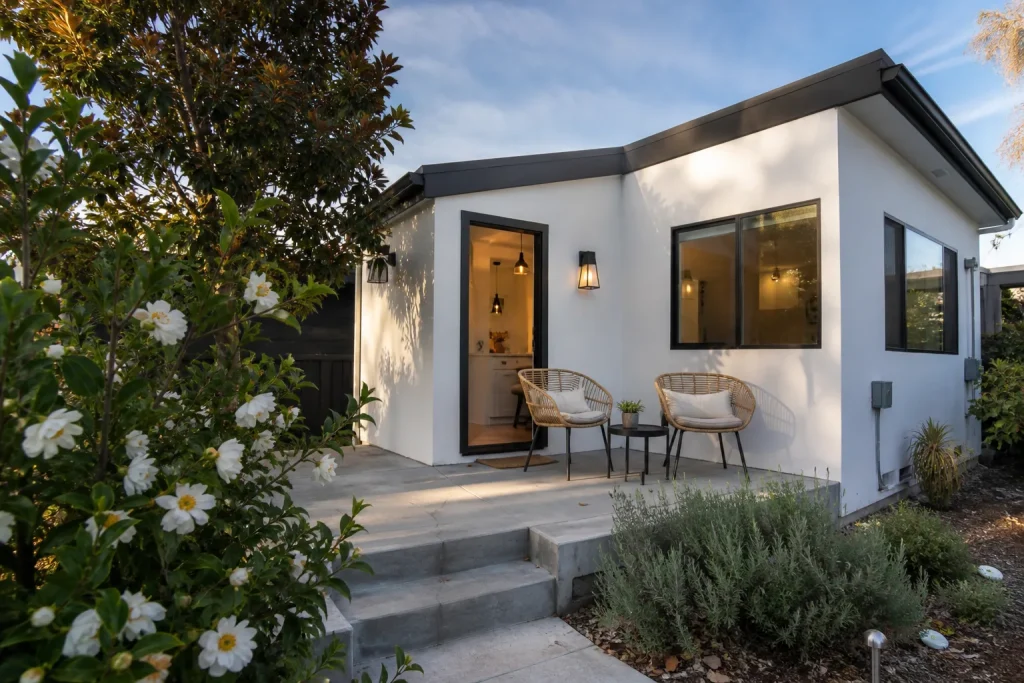
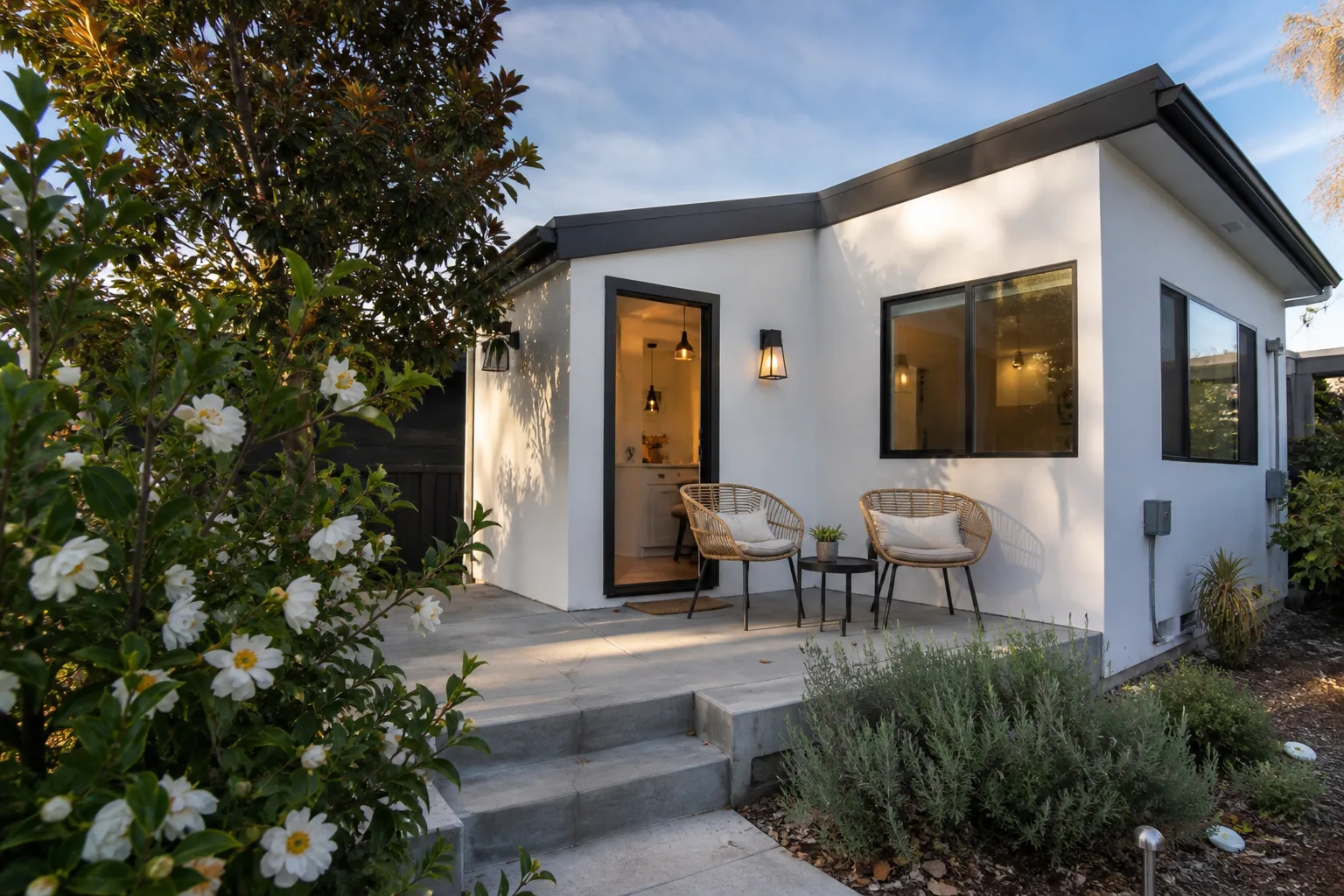
Preparing Your Home’s ADU for Winter in Los Angeles
Preparing an ADU for winter in Los Angeles means checking three systems most homeowners overlook: the mini-split’s heat function, the water heater’s exposure to cold, and the subpanel’s breaker condition. A two-hour walkthrough in October or November prevents the two most common winter failures we see, which are frozen PEX lines in uninsulated garage conversions and tenants calling at 2 a.m. because the heat never kicked on. If you’d rather not do the walkthrough yourself, call (254) 602-5618 and we’ll handle it.
LA gets 15 to 35 nights below 45°F every winter. That’s not Midwest cold, but it’s cold enough to stress supply lines in a detached structure and cold enough to reveal every gap in a garage conversion’s envelope. The problem is that an ADU, which is just a smaller dwelling unit on your property, doesn’t benefit from the thermal mass of a main house. It cools down faster, heats up slower, and hides problems in places you don’t look until February.
We’ve spent fifteen years building and repairing ADUs across Los Angeles, from garage conversions in Eagle Rock to hillside units in Mount Washington. The winter failures are predictable, and they’re almost always cheaper to prevent than to fix.
1. Test the Mini-Split’s Heat Function Before You Need It
Most ADUs in Los Angeles rely on a ductless mini-split for both cooling and heating. Homeowners test the cooling every summer without thinking about it. Then December arrives, the tenant switches the unit to heat mode, and nothing happens.
The heat function in a mini-split uses a reversing valve that sits unused for eight or nine months a year. Valves stick. Refrigerant levels that work fine for cooling can underperform in heating mode. The fix is simple: in October, switch the unit to heat, set it to 72°F, and let it run for twenty minutes. Feel the air coming out of the indoor unit. If it’s lukewarm instead of noticeably warm, call an HVAC tech before the first cold night.
A pre-season mini-split service call in Los Angeles typically runs $120 to $250. A no-heat emergency call on a 40°F night runs $200 to $450 just for the diagnosis, and that’s before parts. If you’ve got a tenant, the math gets worse. Under California habitability law, a rental unit without functioning heat is a repair-and-deduct situation waiting to happen.
2. The Water Heater Is the Most Exposed Component in a Detached ADU
In a garage conversion, the water heater often lives in a closet on the exterior wall, or worse, outside on a pad. Tankless units especially are vulnerable because their internal pipes hold very little water, which means very little thermal buffer when temperatures drop.
Walk around your ADU and find the water heater. Ask yourself three questions:
- Is it inside the conditioned space? If not, the pipes feeding it need insulation, not just foam sleeves but actual pipe wrap rated for exterior use.
- Does it have freeze protection built in? Many tankless units made by major manufacturers include an automatic freeze protection mode that cycles warm water through the heat exchanger. That mode only works if the unit has power. Check the breaker that serves the water heater.
- When was the last time it was flushed? Los Angeles has hard water. Sediment builds up in the heat exchanger and makes the unit work harder, which matters more in winter when incoming water temperatures drop into the 50s.
Insulating exposed pipe runs costs about $3 to $6 per linear foot in materials, and most of the work is accessible without opening walls. Replacing a burst supply line behind a finished wall costs ten times that, and the drywall repair is a separate line item.
3. The Subpanel Tells You More Than You Think
Winter is when ADU electrical systems get pushed hardest. The mini-split runs in heat mode, which draws more amps than cooling. The water heater cycles more often. Tenants plug in space heaters when the heat pump can’t keep up, and suddenly a 60-amp subpanel is doing work it was never sized for.
Open the subpanel door and look at the breakers. If any of them feel warm to the touch after the mini-split has been running, that’s a loose connection or an undersized conductor. If you see scorch marks or smell anything like burnt plastic, stop and call an electrician. That’s not a winter-prep issue, it’s a fire hazard.
A pre-winter electrical inspection by a licensed contractor in Los Angeles runs $150 to $350, and the inspection should include torque-checking the breaker lugs and verifying the grounding. That’s cheap compared to the average cost of replacing a melted subpanel, which starts around $1,800 and goes up from there.
We use this walkthrough on every ADU we build for clients across Los Angeles, and we’ve caught breaker issues on units less than five years old. Electrical connections loosen over time, especially in a detached structure that expands and contracts with the temperature swings between day and night.
4. Garage Conversions Have a Specific Envelope Problem
A garage conversion in Los Angeles is an ADU built inside the original garage footprint. The walls that once held a car now hold a bedroom or a living space, and the original slab, framing, and roofline were never designed for conditioned air. The insulation stops in predictable places, and in winter, those places leak heat.
The spots to check in order are:
- Where the original slab meets the wall framing. Concrete wicks cold up from the ground, and if there’s no thermal break or sill seal, the bottom eight inches of every wall will be cold. Check for drafts at the baseboard level on a chilly morning.
- Where the garage door was. If the conversion included infilling the old garage door opening, the framing around that infill is a common leak point. Feel for air movement around the edges of the wall where the door used to be.
- The attic or roof junction above the ceiling. Garage roofs are typically uninsulated or lightly insulated. If the conversion didn’t include adding ceiling insulation to current code, you’re losing heat through the ceiling. Look for recessed lights that aren’t rated for insulation contact – they create chimney-like gaps.
- The junction between original exterior stucco and new interior finishes. Stud bays that were once exterior walls often have blocking that interrupts insulation. An infrared thermometer pointed at the wall on a cold morning will show you exactly where it’s cold.
Fixing these gaps ranges from a $25 can of spray foam for the small stuff to a few thousand dollars for properly insulating an under-insulated ceiling. The expensive version is the wall cavity insulation, but the return in tenant comfort and lower utility bills usually pays for itself in a couple of seasons.
5. Hillside ADUs Need Drainage Checks After the First Rain
Los Angeles hillside lots have a drainage reality that flat lots don’t. When rain hits a slope above your ADU, water sheets down the hill and finds the easiest path around your foundation. If your downspouts are clogged or your French drains are silted over, the first heavy rain of the season is when you’ll find out.
Walk the perimeter of your ADU after the first real rain and look for:
- Water staining on the downhill foundation wall. That’s surface water pooling against the footing instead of diverting around it.
- Gravel or sediment deposits near downspouts. That means water is moving fast enough to carry material, and you should check whether the downspout extensions actually point away from the structure.
- Soft or spongy ground near the uphill side of the foundation. Persistent moisture there means the drainage path is compromised.
- Any new cracks or efflorescence on interior walls. Efflorescence, which is the white powdery residue left behind when water evaporates out of concrete or masonry, tells you water is moving through the wall assembly.
Clean your gutters in October. It’s a one-hour job for most ADUs and it prevents a lot of downstream problems. Downspout extensions and splash blocks cost less than $40 total, and they keep the soil around your foundation from saturating. A hillside foundation repair in Los Angeles starts around $5,000 for minor work and goes well into six figures for retaining wall failures. The gutter cleaning is a better use of your afternoon.
6. What to Put in Writing With Your Tenant Before Winter
If your ADU is a rental unit, winter is a liability season. The California implied warranty of habitability requires that you provide working heat, hot water, and weather protection. What it doesn’t require is that you read your tenant’s mind.
The pattern we see over and over in Los Angeles is this: a tenant notices the mini-split struggling in November, doesn’t say anything, and then calls the landlord at midnight on the first genuinely cold night in January. The landlord gets an emergency HVAC bill, the tenant gets three days of discomfort, and everyone blames everyone else.
Put this in writing in October:
- A statement of the heating system’s normal operating range. “The mini-split should maintain 68°F at the thermostat. If it can’t, contact us within 24 hours.”
- A simple instruction for checking the thermostat mode. Many “no heat” emergency calls are solved by switching the unit from cool to heat mode, or from auto to heat.
- A request to report any water leaks, ceiling stains, or unusual drafts within 48 hours of noticing them. This puts the tenant on notice that they have a duty to report, which matters if you end up in small claims court over water damage.
- The contact number for maintenance requests. A live person answers our phones 24/7, which matters when a tenant calls at 2 a.m. about no heat. But even if it’s just your cell phone, write the number down and give it to them.
This isn’t legal advice and it doesn’t replace a lease agreement, but a one-page winter prep notice, signed by the tenant, changes the conversation when something fails. It shows you did your part to set expectations and gave the tenant a clear path to report problems.
What a Pre-Winter Inspection Costs vs. What Skipping It Costs
A pre-winter ADU inspection by a contractor in Los Angeles typically costs $150 to $350, depending on the size of the unit and how many systems you want checked. For that price, you get a walkthrough of the HVAC, water heater, electrical, and envelope condition, usually with a written summary and photos.
The alternatives are less pleasant:
- Emergency plumber call for a burst supply line: $400 to $900, plus drywall repair at $500 to $1,500 per affected area.
- Mold remediation from a slow leak that went unreported all winter: $2,500 to $12,000, depending on the extent and whether it’s a bathroom that’s out of commission.
- Emergency HVAC call on a cold night: $200 to $450 just for the visit, and if the reversing valve needs replacement, add $600 to $1,400 in parts and labor.
- Tenant vacating over unresolved habitability issues: one to three months of lost rent, which in Los Angeles is $1,800 to $4,500 per month for a typical ADU.
We’ve pulled a dead reversing valve out of a garage conversion in Highland Park that the tenant had been fighting with for two weeks before the landlord heard about it. The landlord’s emergency call cost him $780. A $200 October service visit would have caught it.
When to Call a Pro
If you open the subpanel and find warm breakers, or you smell burning, or you see water staining anywhere, stop and call someone. These are not DIY situations. An electric arc doesn’t give you a second chance, and water that’s been moving through a wall assembly for two months has already done damage you can’t see.
If a pre-winter walkthrough isn’t something you want to do, Lodgewick ADU Builders offers pre-winter inspections for ADUs, garage conversions, and home additions throughout Los Angeles. We’ll do the walkthrough, give you a written summary, and quote any repairs with a fixed price before work starts, because that’s how we’ve done it since 2010.
Related services in Los Angeles: ADU Builders in Los Angeles | Garage Conversion Contractor in Los Angeles | Home Addition Contractor in Los Angeles
The Bottom Line
Winter in Los Angeles is mild enough that most ADU owners ignore it, and that’s exactly why winter failures are so expensive. A detached unit cools off faster, sits on a slab that wicks cold, and often has a water heater and mechanical equipment in places the main house never would.
Do the two-hour walkthrough. Test the mini-split’s heat function. Check the water heater for exposure. Torque-check the breakers. Look for envelope gaps in the garage conversion. Clean the gutters if you’re on a hillside. Put something in writing with your tenant. The whole thing costs a few hundred dollars if you pay someone, and it prevents the four-figure failures that show up every January.
If you’re in Los Angeles and you’d like a professional set of eyes on your ADU before winter, Lodgewick ADU Builders offers free estimates. We’ve been building and servicing ADUs, garage conversions, and home additions in Los Angeles since 2010, and we work with established manufacturers like Abodu, Cover, and Tuff Shed to match the right materials to your lot and your budget. Call (254) 602-5618 to schedule your walkthrough.
Frequently Asked Questions
A DIY winterization, which includes pipe insulation, gutter cleaning, and weatherstripping, typically costs $50 to $150 in materials. A professional pre-winter inspection by a contractor in Los Angeles runs $150 to $350 for a full walkthrough of the HVAC, water heater, electrical, and envelope. If the inspection uncovers issues, most repairs are quoted as a separate fixed price before work begins. Call (254) 602-5618 for an exact quote on your ADU – estimates are free.
Yes, and garage conversions are actually the ADUs that need it most. The original garage structure was never designed for conditioned living space, so the insulation has gaps at the slab, at the old garage door infill, and at the roof junction. Cold air finds those gaps in winter. A quick check with an infrared thermometer on a cold morning will show you exactly where heat is escaping.
Keep the interior at 55°F or higher, even if the unit is unoccupied. PEX supply lines in an uninsulated garage conversion can freeze when interior temperatures drop below that threshold on nights that get under 40°F. If the ADU is vacant, don’t turn the heat off entirely. Set the mini-split to 55°F and leave it running.
Tankless water heaters are efficient and compact, which makes them a good fit for ADUs, but they’re more vulnerable to cold than tank units because they hold so little water. If you’re installing one, make sure it has freeze protection and that the unit has uninterrupted power. Exterior-mounted tankless units should be properly insulated on their pipe runs. We work with several manufacturers to match the right unit to each ADU’s layout and exposure. Call (254) 602-5618 if you’re weighing the options.
Written by Russ Delmar, Owner at Lodgewick ADU Builders, serving Los Angeles since 2010.
Need ADU Help?
Call Lodgewick ADU Builders - licensed & insured, here with fast after-hours help in Los Angeles.
(254) 602-5618